Republished by Scitop Ltd. All rights belong to the original publisher; see Source below.
Wide-format printing powers exhibition spaces through graphics, backdrops, and displays. Nessan Cleary shares how success requires high image resolution, strict color management, and compliant, sustainable materials like polyester textiles. As technology evolves with ultra-wide dye-sublimation printers and dynamic digital screens, print service providers can unlock high-impact opportunities for trade shows and events.
No matter the subject, trade shows of every size and type rely heavily on wide format printing. This includes most elements of a typical exhibitors’ booth, from the background panels to the furnishings, carpeting and banners, as well as the signage both inside and outside of the venue. Many print service providers offer some of these parts, while several have specialised divisions or even whole companies dedicated to producing exhibition graphics.
So this is an interesting area of the wide format market, and it’s worth looking at the different aspects for anyone that might be considering expanding into this sector. That said there are a number of specific requirements. For a start, the graphics will be viewed from very close-up so the image quality will have to be able to cope with this, which will slow down production speeds. More importantly, the colours will have to match across different materials so the colour management will have to be up to scratch.
Many exhibition graphics printers also offer design services to come up with the overall concept for the entire stand complete with a 3D rendering. Given that some stands might include two floors with an upper seating area, this is as much about the structural integrity of the stand as the creative aspect of it. The stand itself will have to be designed in such a way that it can be easily transported to and from the venue, and put up and taken down quickly, and possibly flat-packed for easy storage between trade fairs if the client wants to re-use it.
In addition, each venue will have its own particular challenges, which might include the availability of power sockets or access to the site. There may also be health and safety requirements, though the basics such as fire safety regulations and flame retardant materials will apply equally to all venues.
Sustainability is also becoming an increasingly important criteria for exhibitions. The duration of these events can vary from a one-day pop-up event to a week-long trade fair but the same skills can equally be applied to a travelling marketing campaign or an installation that lasts a month or more on the same site. Nonetheless, these are fundamentally short-lived events and consumers do ask about the environmental impact of these events, and how easily the materials can be recycled. And of course, clients will look to save costs by re-using parts of stands where they can.
Textiles are widely used as substrates for exhibition graphics mainly because they can be very light, which makes them easy to transport and easy to install quickly, even for large backdrops. They can be easily treated for flame retardance and they can be recycled after use, making them a good choice from both a health and safety and a sustainability viewpoint. Better still, they can be easily folded for storage and cleaned for re-use. Typical uses include large backdrops, hanging banners and light boxes for both individual exhibition stands and around the venue itself.
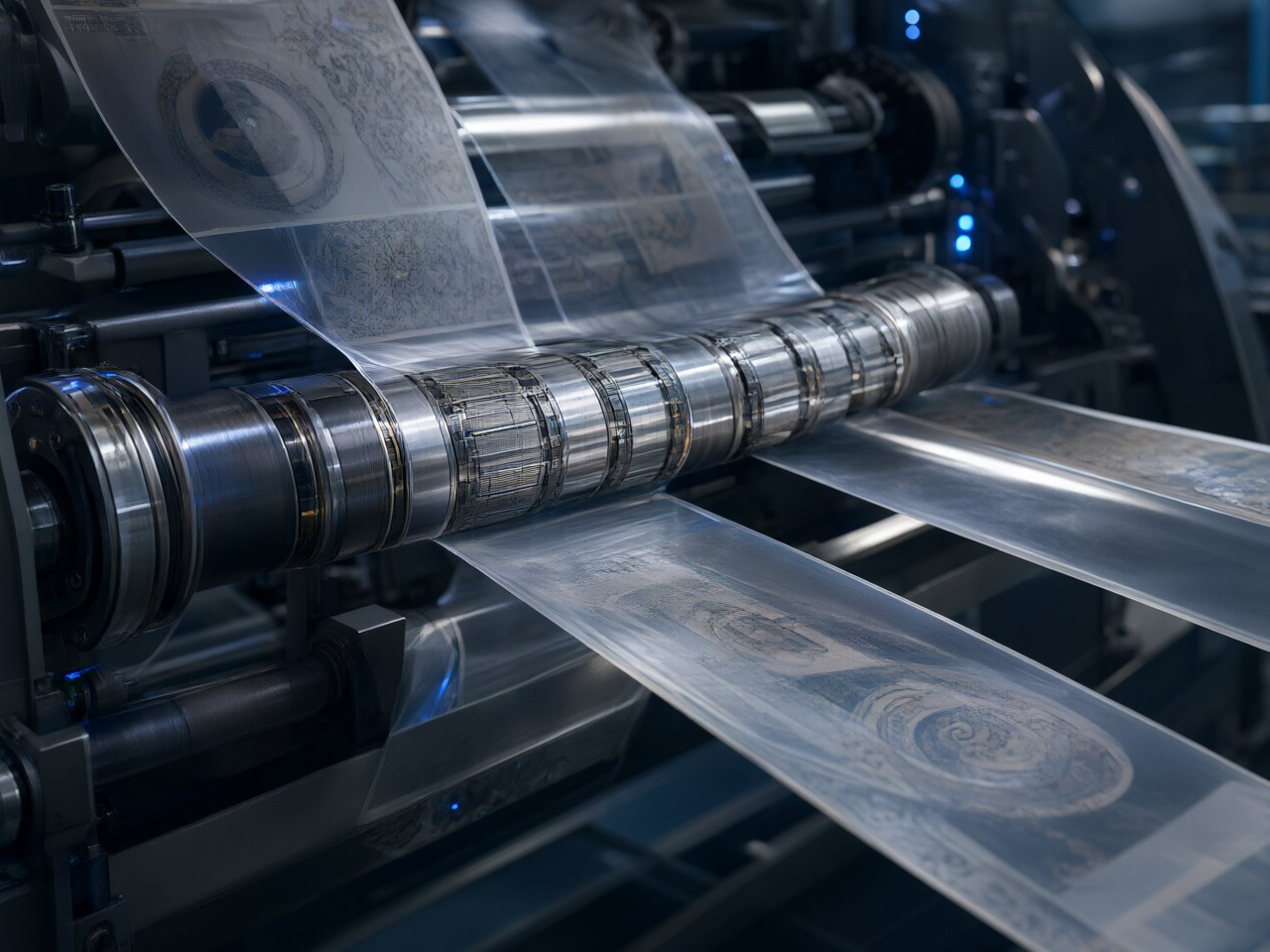
The best results come from dye sublimation to polyester materials. For this market, the most effective option is to print direct to the material and fix inline through infrared lamps. Ideally you want to print across as wide a width as possible to produce a backdrop for a complete stand without the hassle of having to stitch different panels together. That means there’s a limited choice of suitable printers though we have seen a couple of new additions in recent years.
EFI Reggiani showed off a new i8 version of its 3.4m wide FabriVu at this year’s FESPA Global Print Expo in Barcelona. The new I8 version gains a new eight-colour inkset that includes CMYK plus orange and blue as well as light cyan and light magenta, one of which can be replaced by light black. Micol Gamba, senior director of product management for EFI Reggiani, says that the additional colours are to help improve the reproduction of brand colours. The fixation unit can be turned off and an optional vacuum plate added to print to transfer paper and it also features an integrated flag printing kit.
Durst surprised everyone the year before by unveiling the 5.2m wide P5 Tex iSub. This can be configured with up to eight channels, with the addition of light cyan, light magenta, light black and orange to the standard CMYK colours. And for this year Durst showed off a 5m wide Hassler cutting device for finishing jobs produced on the iSub.
Most exhibition stands will feature some type of furniture, such as a table and chairs and a counter, all of which can printed with the client’s branding. Tables and chairs can be made out of corrugated boards and cushions can be printed on a dye sublimation printer.
Another popular fixture across exhibition spaces are the various pop-up items such as counters and stands, both straight and curved. One of the advantages of pop-up items is that they can be posted to the customer with no need to send out an installation team. Most customers will opt for generic graphics so they can reuse these items at multiple shows. But there’s an argument that having dedicated graphics for each show, or campaign, will have more impact, which of course will lead to repeat business.
These days many companies look to incorporate digital screens as part of their exhibition. This allows clients to demonstrate large items of kit without having to actually set those machines up, which might be prohibitively expensive for smaller trade fairs. They can also be used to show corporate presentations or factory tours. The screens themselves are also becoming quite eye-catching, with curved screens and large sizes that are suitable for displays to larger audiences. And with the costs falling these screens are becoming increasingly common.
So although the concept behind these kind of events is well-established and understood, there is still plenty of room for further innovation. But the basics remain the same, namely the stands have to be put up and taken down quickly, and everything has to conform to the site’s health and safety protocols. The rest is just down to the creativity that marks out the exhibition graphics printing sector.
Source
- FESPA (2026-08-28) - Original article: Unlocking Opportunities in Wide-Format Exhibition Graphics & Trade Show Printing